
Pass Your LPI Linux Essentials Certification Easy!
LPI Linux Essentials Certification Exams Questions & Answers, Accurate & Verified By IT Experts
Instant Download, Free Fast Updates, 99.6% Pass Rate.
LPI Linux Essentials Certification Exams Screenshots
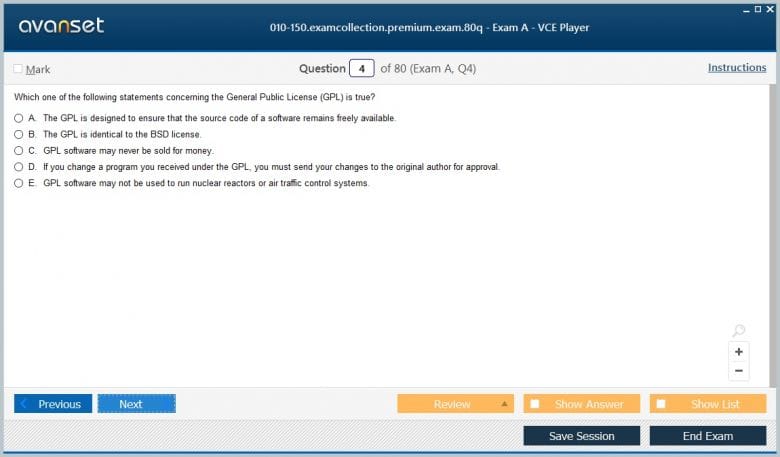
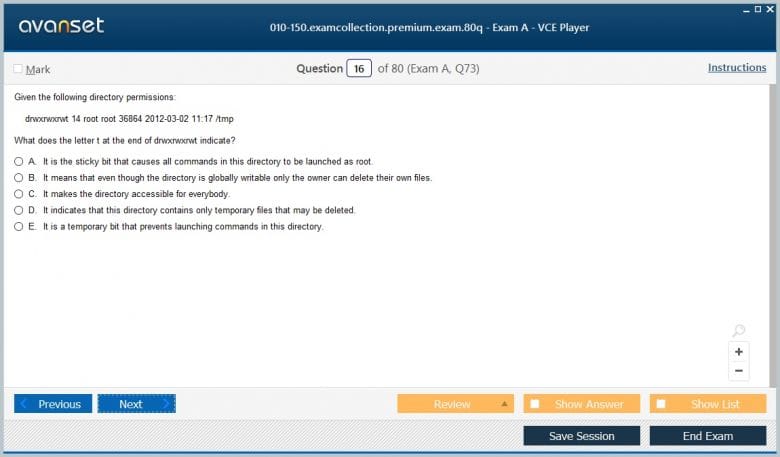
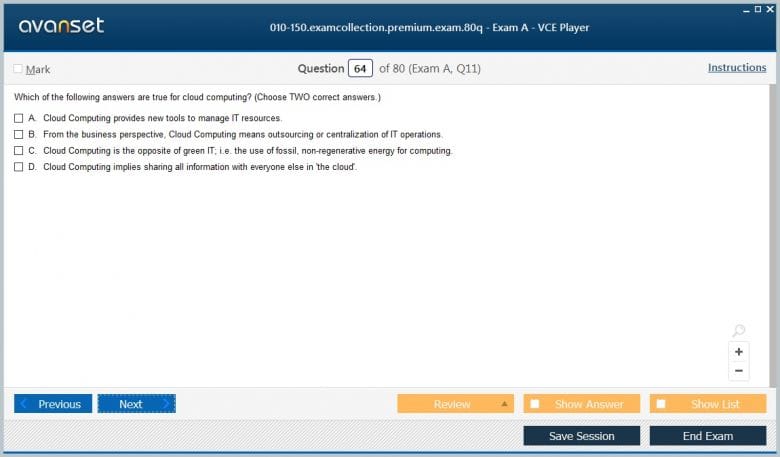
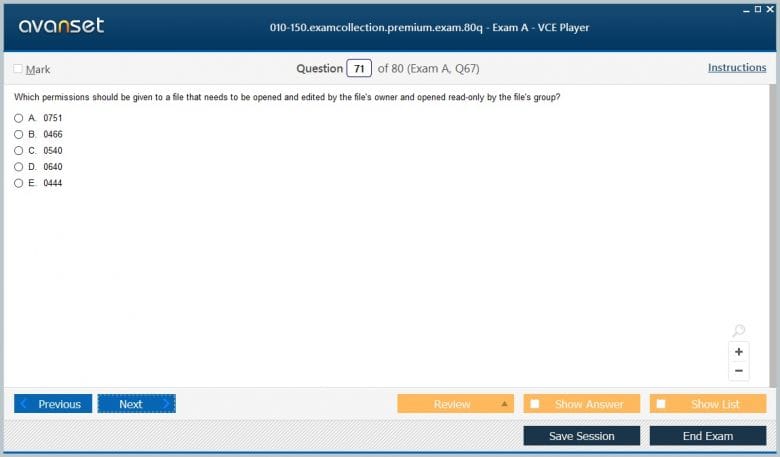
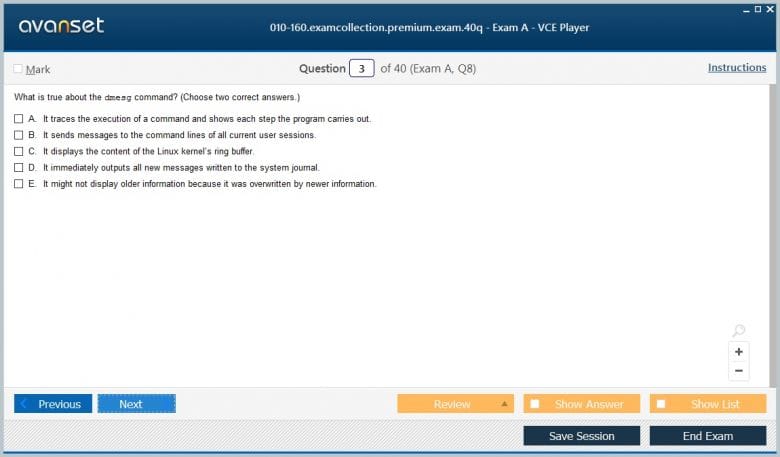
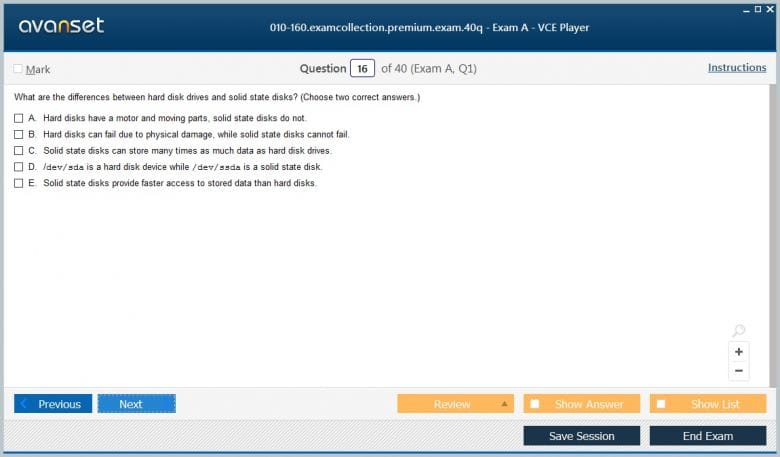
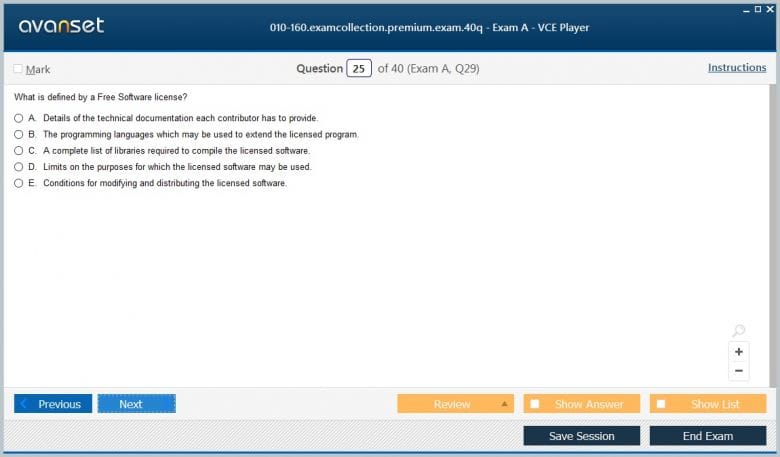
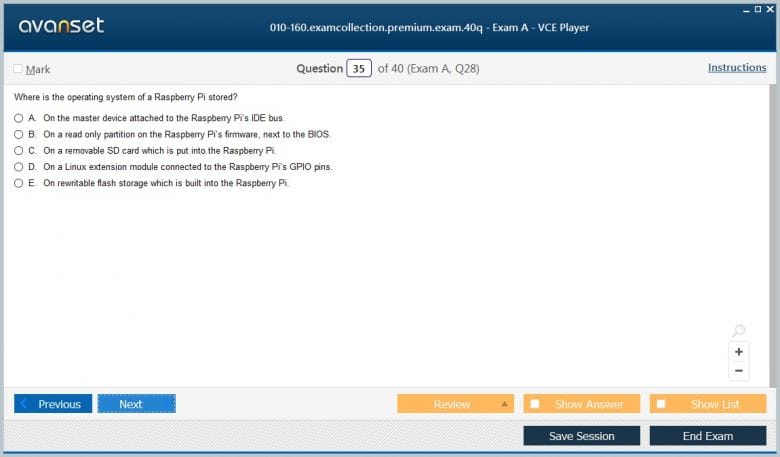
Linux Essentials Product Reviews
Download Free Linux Essentials Practice Test Questions VCE Files
| Exam | Title | Files |
|---|---|---|
Exam 010-150 |
Title Entry Level Linux Essentials Certificate of Achievement |
Files 7 |
Exam 010-160 |
Title Linux Essentials Certificate Exam, version 1.6 |
Files 4 |
LPI Linux Essentials Certification Exam Dumps & Practice Test Questions
Prepare with top-notch LPI Linux Essentials certification practice test questions and answers, vce exam dumps, study guide, video training course from ExamCollection. All LPI Linux Essentials certification exam dumps & practice test questions and answers are uploaded by users who have passed the exam themselves and formatted them into vce file format.
Linux Essentials in 2026: Version 1.6 Before the 2.0 Shift
Linux Essentials is Linux Professional Institute’s entry-level certificate for people who need a practical introduction to Linux, open source, the command line, basic administration, and security. As of September 28, 2026, the current production exam is still 010-160, based on Linux Essentials version 1.6. LPI has already released the 2.0 beta and plans the official Version 2.0 release for October 2026, with Version 1.6 scheduled for retirement in April 2027. Candidates starting now are therefore entering a live transition window and should verify which exam version their booking and study materials target.
The certificate belongs to the wider LPI certifications and has no prerequisite. Version 1.6 uses a 40-question, 60-minute exam and the certificate has lifetime validity. Linux Essentials is deliberately broader than command memorization: it covers the Linux and open-source ecosystem, operating-system components, command-line work, files, permissions, users, groups, basic networking, security, archives, and simple scripting.
The version transition is the first thing candidates should understand
LPI announced Linux Essentials 2.0 in 2026 and ran its beta window from August 15 through September 15, while the formal production release is planned for October. That means a candidate booking in late September should not casually mix a Version 2.0 objective list with a Version 1.6 exam appointment. The differences are meaningful because 2.0 modernizes the scope for current Linux environments.
LPI has highlighted additions such as SSH, Linux in the cloud, systemd service units, the systemd journal, updated distributions and applications, more shell-scripting logic, and iproute2 in place of older networking utilities. These are sensible changes, but candidates should study the exact version they will sit.
Open source is part of the exam, not background trivia
Linux Essentials includes the history and ecosystem of Linux and free/open-source software. Candidates should understand what distributions are, why software licenses matter, how open-source communities work, and how common open-source applications relate to proprietary alternatives. The exam is trying to establish technology literacy, not only terminal skill.
This knowledge helps explain why Linux appears in cloud platforms, embedded devices, servers, developer tooling, security environments, and enterprise infrastructure. A beginner who understands the ecosystem can make better sense of package repositories, distributions, community support, and the difference between a kernel and a complete operating system.
Command-line confidence is the practical core
Candidates should be able to navigate directories, list and inspect files, manipulate text, use redirection and pipes, understand command syntax, access help, and work with common shell utilities. The objective is not speed typing; it is understanding how small commands combine into useful workflows.
The Linux Essentials 010-160 is most valuable when paired with direct practice. Open a terminal every day and solve small tasks without a graphical file manager. That habit turns abstract command names into durable muscle memory.
Files, permissions, users, and groups reveal the Unix model
Linux security begins with ownership and permissions. Candidates should understand users, groups, read/write/execute permissions, directory behavior, and why privileged operations require careful control. File-system structure also matters because important configuration, logs, user data, and binaries follow recognizable conventions.
Practice by creating users and groups in a safe lab, changing ownership, adjusting permissions, and predicting whether a user can access a file or directory. Permission questions become much easier when candidates reason from the owner/group/other model rather than trying to memorize numeric modes in isolation.
Archives and compression are everyday Linux skills
The exam includes creating and restoring archives and compressed files. Utilities such as tar and common compression tools appear frequently in real administration because Linux software, backups, logs, and transferred data are often packaged this way.
Candidates should know the conceptual distinction between archiving multiple files into one stream and compressing data to reduce size. A few practical exercises—creating an archive, listing its contents, extracting it to a different location, and compressing or decompressing files—are enough to make the concepts concrete.
Linux Essentials expects understanding of processes, programs, hardware, and operating-system components. Candidates should know that running programs become processes, that processes consume resources, and that the system provides tools for inspecting and controlling them. They should also understand basic startup and service concepts at the level required by the objectives.
Version 2.0 makes systemd more explicit, but even Version 1.6 candidates benefit from recognizing that modern Linux systems manage long-running services through structured service-management frameworks. The important beginner skill is knowing how to observe what is running and where to look when a service or command behaves unexpectedly.
Basic networking belongs in Linux literacy
Linux systems participate in networks, so the exam includes enough networking to ensure a user understands interfaces, addressing, connectivity, and common diagnostic ideas. Candidates do not need professional network-engineering depth, but they should recognize local versus remote communication, basic IP concepts, and common tools for testing reachability.
Version 2.0’s move toward modern tooling such as iproute2 reinforces the same principle: Linux users need enough networking knowledge to understand whether a problem is local configuration, name resolution, or remote reachability. The tool may change, but the diagnostic reasoning remains useful.
Simple shell scripting is the first step toward automation
Linux Essentials includes basic scripting because the shell is more than an interactive command prompt. Variables, simple scripts, execution permissions, and basic control logic let users turn repeated manual tasks into repeatable procedures. Version 2.0 expands this area by adding conditional logic more explicitly.
Beginners should write tiny scripts rather than reading syntax passively. A script that checks for a file, creates a backup, processes a list, or prints system information is enough to reveal how commands, variables, conditions, and exit behavior fit together.
Linux Essentials is a bridge to LPIC-1
LPI describes Linux Essentials as a natural introduction to its professional certification path. Candidates who enjoy the material can progress to LPIC-1, which requires much deeper system administration across two exams. The step up includes package management, boot processes, filesystems, networking, security, shells, and essential services at a professional level.
That progression is why it is worth learning the basics correctly. A learner who understands permissions, processes, the command line, open-source concepts, and simple scripting will have a much easier time when LPIC-1 adds more detailed administration and troubleshooting.
How to prepare during the 1.6-to-2.0 overlap
First decide which exam version you will take, then freeze the matching objective list. If you are sitting 010-160 before the 2.0 production release, keep Version 1.6 as the exam scope while noting the newer tools for practical relevance. If you plan to wait for Version 2.0, use the finalized 2.0 objectives and updated learning materials instead of an old 010-160-only course.
In either case, spend more time at a terminal than in flashcards. Linux knowledge becomes durable when every objective is tied to a command, file, process, permission, or real system behavior the candidate has observed.
The upcoming 2.0 objectives add newer tools and environments, but LPI is still testing foundational Linux literacy. SSH, systemd, cloud usage, the journal, and iproute2 reflect what learners are more likely to encounter on modern systems. They do not turn Linux Essentials into an advanced administration exam.
Candidates should therefore avoid reacting to the new version by chasing every systemd option or cloud platform detail. Learn the role of the technology, the basic commands, and the operational reason it matters. Deeper administration belongs in LPIC-1 and beyond.
You do not need enterprise hardware to prepare. A small Linux virtual machine gives access to the shell, files, processes, permissions, users, groups, package tools, logs, networking commands, and scripting. Snapshots also make it safe to experiment and recover from mistakes.
Use the same machine throughout study rather than creating a fresh environment for every lesson. Over time the system accumulates users, files, scripts, configuration changes, and logs, which makes it feel more like a real computer that must be understood and maintained.
As broader Linux certifications have expanded across the industry, Linux knowledge is no longer limited to traditional system administrators. Developers use Linux-based build systems and containers, security analysts inspect Linux hosts, cloud engineers operate Linux instances, and network or platform professionals encounter Linux-based tooling constantly.
Linux Essentials is valuable because it creates enough command-line and operating-system literacy to participate in those environments. It does not certify advanced administration, but it can remove the hesitation that beginners often feel when a task leaves the graphical interface.
Linux Essentials questions often become simple when the candidate understands what a command or permission is supposed to accomplish. If a file cannot be executed, reason about execute permission and path context. If a command produces too much output, think about filters, redirection, and pipes. If one user cannot access a directory, trace ownership and permission bits before guessing.
That behavioral approach is stronger than memorizing disconnected definitions and also prepares candidates for the deeper troubleshooting expected in LPIC-1.
In the final week, map every objective to something you can explain or demonstrate. That prevents familiar command-line topics from hiding gaps in open-source licensing, users and permissions, scripting, networking, or system components.
ExamCollection provides the complete prep materials in vce files format which include LPI Linux Essentials certification exam dumps, practice test questions and answers, video training course and study guide which help the exam candidates to pass the exams quickly. Fast updates to LPI Linux Essentials certification exam dumps, practice test questions and accurate answers vce verified by industry experts are taken from the latest pool of questions.


LPI Linux Essentials Video Courses

Top LPI Certifications

Top LPI Certification Exams
Site Search:



