
Should I get Certified as a Windows Phone Developer?
The question of whether to pursue certification as a Windows Phone developer is one that requires honest and direct consideration of where that platform stands today and what the certification landscape around it looks like. Windows Phone was Microsoft’s ambitious attempt to compete in the smartphone market against Apple’s iOS and Google’s Android operating systems. It had its moments of promise, particularly during the Windows Phone 7 and Windows Phone 8 eras, when Microsoft made genuine efforts to build a compelling mobile platform with a distinctive user interface and a growing app ecosystem. However, the platform’s story did not end in success.
Microsoft officially discontinued Windows Phone as an active development platform, and support for Windows 10 Mobile, the final iteration of the operating system, ended in December 2019. This means the platform has been without security updates, new features, or official developer support for several years. The app stores associated with Windows Phone and Windows Mobile have been shut down, and the devices themselves are no longer manufactured or sold through mainstream retail channels. Any certification tied specifically to Windows Phone development would therefore be certifying skills in a technology that no longer exists in any commercially relevant form.
The Rise and Fall of Windows Phone as a Platform
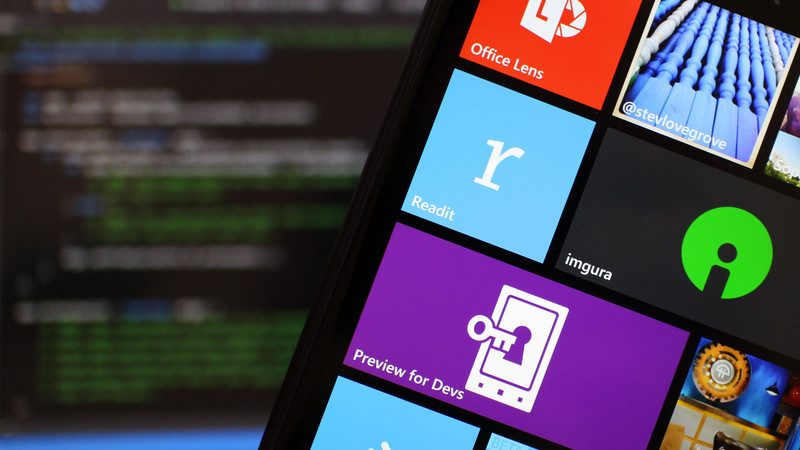
Windows Phone launched in 2010 as a significant departure from the older Windows Mobile platform that had preceded it. Microsoft designed an entirely new user interface built around live tiles and a clean typographic aesthetic that genuinely stood apart from the grid-of-icons approach used by iOS and Android. The platform attracted attention from critics and developers who appreciated its fresh design philosophy, and partnerships with hardware manufacturers like Nokia brought capable devices to market at competitive price points across multiple regions.
Despite these genuine strengths, Windows Phone never achieved the market share needed to sustain a healthy developer ecosystem. At its peak, the platform held somewhere between two and four percent of the global smartphone market, which was far too small to attract the level of developer investment that iOS and Android commanded. App availability remained a persistent problem throughout the platform’s life. Major services either arrived late on Windows Phone or never appeared at all, and this app gap became an insurmountable obstacle for consumers choosing between mobile platforms.
What Windows Phone Certifications Actually Existed
During the active years of Windows Phone development, Microsoft offered certification pathways through its Microsoft Certified Professional program that touched on mobile development skills. Developers could pursue exams related to building Windows Store apps and Windows Phone applications using technologies such as XAML, C sharp, and the Windows Runtime. These certifications were part of Microsoft’s broader developer certification ecosystem and were intended to validate the skills needed to build and publish applications on Microsoft’s mobile and desktop platforms.
The specific exams related to Windows Phone development have since been retired along with the platform itself. Microsoft regularly retires certification exams when the underlying technologies they test are no longer actively supported or when the exams no longer reflect current development practices. Candidates who earned these certifications during the platform’s active years received credit for their achievement, but the credentials no longer appear on current Microsoft certification roadmaps and carry no forward-looking value in the job market as active qualifications.
The Current State of Mobile Development Certification
The mobile development certification landscape in the present day is almost entirely focused on iOS and Android development, which together account for virtually the entire global smartphone market. Apple offers resources and recognition programs for iOS developers, while Google provides certification pathways for Android developers through its Associate Android Developer credential. These certifications are grounded in technologies and platforms that are actively used by billions of people worldwide, which gives them genuine market relevance that any Windows Phone credential simply cannot match.
Cross-platform mobile development has also become an important part of the certification landscape. Frameworks such as React Native, Flutter, and Xamarin allow developers to write code that runs on both iOS and Android from a shared codebase. Certifications and training programs built around these technologies offer particularly strong value because they validate skills that are applicable across multiple platforms simultaneously. For a developer who wants to maximize the career utility of their certification investment, these cross-platform credentials represent a far more practical direction than any platform-specific mobile certification tied to a discontinued operating system.
Why Employers Are Not Looking for Windows Phone Skills
Any honest assessment of the job market for Windows Phone developers reveals an essentially nonexistent demand for those specific skills. Job postings requesting Windows Phone development experience have disappeared from major employment platforms because there are no meaningful commercial contexts in which those skills are needed. Companies are not maintaining active Windows Phone applications because there are no users running Windows Phone devices in any significant numbers, and there is no business case for developing new applications on a platform with no active user base.
Listing Windows Phone development skills or a related certification on a resume in the current job market would be unlikely to help and could potentially raise questions about a candidate’s awareness of the current technology landscape. Hiring managers and technical recruiters expect candidates to be engaged with technologies that are relevant to current and near-term business needs. Presenting credentials in discontinued technologies suggests either that the candidate has not kept pace with the field or that they lack the judgment to prioritize their professional development around skills that have practical market value.
What Microsoft Recommends for Developers Today
Microsoft has not stood still since the discontinuation of Windows Phone, and its current developer ecosystem offers genuinely compelling opportunities for developers who want to build on Microsoft technologies. The company has invested heavily in cloud development through Azure, which offers a vast range of services including compute, storage, artificial intelligence, and developer tools. Azure certifications are among the most in-demand and well-compensated credentials in the technology industry today, and they represent a direction that Microsoft is actively investing in rather than winding down.
For developers specifically interested in building applications, Microsoft’s current focus is on the Windows application platform through technologies like WinUI, the .NET ecosystem, and cross-platform development with .NET MAUI, which stands for Multi-platform App UI. These technologies allow developers to build applications that run on Windows desktops, iOS, Android, and macOS from shared code. Certifications and training built around these technologies align with where Microsoft and the broader development community are actually headed, making them a far more productive investment of a developer’s time and resources.
Skills From Windows Phone Development That Still Transfer
While pursuing new Windows Phone certification makes no sense in the current environment, it is worth acknowledging that developers who built skills during the Windows Phone era are not without transferable value. The core programming languages and paradigms used in Windows Phone development, particularly C sharp and XAML-based interface design, remain highly relevant in today’s development landscape. C sharp is a first-class language in the .NET ecosystem and is used extensively for web development with ASP.NET, game development with Unity, desktop application development, and cloud development with Azure.
XAML experience transfers directly to modern Windows application development with WinUI and to cross-platform development with .NET MAUI. Developers who understand the data binding model, the visual tree architecture, and the component-based design patterns from Windows Phone development will find that these concepts carry over naturally into current Microsoft development frameworks. The investment made in learning these technologies during the Windows Phone era was not wasted, even though the specific platform context is gone, because the underlying skills remain applicable in active and growing areas of the development ecosystem.
The Broader Lesson About Platform Risk in Certification Choices
The Windows Phone story offers an important general lesson about how developers should think about platform risk when making certification and skill investment decisions. Platforms that do not achieve sufficient market adoption face a difficult cycle where limited users lead to limited developer interest, which leads to limited app availability, which further limits user adoption. When a platform enters this cycle, the window for recovery is narrow, and the skills and certifications built around it can become stranded assets if the platform ultimately fails to survive.
Making certification decisions based purely on what is trending or exciting in the moment, without considering the underlying sustainability of the platform, creates risk for a developer’s career. Windows Phone was genuinely interesting technology with real technical merit, and developers who invested heavily in it during its promising early years found themselves needing to pivot when the platform’s commercial trajectory became clear. The lesson is not to avoid emerging technologies but to make certification investments in technologies that have demonstrated staying power or that are backed by platform dynamics strong enough to sustain long-term relevance.
Alternatives Worth Pursuing for Mobile-Interested Developers
Developers who are drawn to mobile development and are considering where to invest their certification efforts today have several strong options that offer genuine career value. The Google Associate Android Developer certification validates proficiency in building Android applications using Kotlin and Android Studio, and it is backed by a platform that runs on the majority of smartphones sold worldwide. Earning this credential demonstrates practical mobile development competence in a context that employers actively care about and that users actually encounter every day.
For developers interested in the Apple ecosystem, Apple’s developer program and the broader Swift programming community offer structured learning paths that can support career advancement in iOS and macOS development. The demand for skilled iOS developers remains consistently strong, particularly for consumer-facing applications and in markets where iPhone penetration is high. Developers who invest in building and certifying iOS skills are entering a competitive but rewarding space with clear pathways to freelance, agency, and in-house development roles at companies of every size.
How to Evaluate Any Certification Before Committing Time and Money
The Windows Phone example provides a useful framework for evaluating any certification before committing time, money, and effort to pursuing it. The first question to ask is whether the underlying technology is actively supported and commercially viable. A certification built around a technology that is in maintenance mode or facing discontinuation carries inherent risk regardless of how interesting the technology might be from a technical standpoint. Active investment from the platform owner, a growing user base, and strong employer demand are all positive signals.
The second question is whether the skills validated by the certification have transferable value beyond the specific platform or product. Certifications that validate broadly applicable concepts, widely used programming languages, or architectural patterns that appear across multiple platforms tend to age better than those tied narrowly to proprietary interfaces or discontinued APIs. A developer who earns a certification in cloud architecture, for example, develops knowledge that applies across multiple cloud providers and remains relevant even as specific services evolve. Thinking about transferability alongside current market demand leads to more durable certification investments.
Making a Practical Decision About Your Development Career Path
Deciding where to focus your development career requires an honest assessment of your current skills, your target roles, and the direction the industry is moving. If you are drawn to mobile development, the practical choice in the current environment is to invest in Android, iOS, or cross-platform development skills rather than in any technology associated with Windows Phone. These paths lead to actual job opportunities, active developer communities, ongoing platform investment from well-resourced companies, and certification credentials that hiring managers recognize and value.
If your interest is in Microsoft technologies more broadly, the most productive direction is toward cloud development with Azure, modern Windows application development, or cross-platform development with .NET MAUI. Microsoft’s current certification roadmap reflects genuine business demand and platform investment. Developers who align their skills and credentials with Microsoft’s current priorities rather than its discontinued products will find far more opportunity, better compensation prospects, and more sustainable career momentum than any path connected to Windows Phone could offer.
Conclusion
The straightforward answer to whether you should get certified as a Windows Phone developer is no, and the reasoning behind that answer carries lessons that extend well beyond this single platform. Windows Phone was a genuinely capable technology that failed commercially due to market dynamics that even Microsoft’s resources could not overcome. The platform is gone, the certification exams tied to it have been retired, employer demand for those skills is effectively zero, and no meaningful user base exists to support application development in that environment. Pursuing certification in this area would be an investment with no realistic return.
What makes this question worth engaging with seriously is what it reveals about how developers should approach the broader challenge of staying relevant in a technology landscape that changes quickly and sometimes unpredictably. Platform risk is real, and the consequences of building a professional identity too narrowly around a single proprietary technology can be significant when that technology loses its commercial footing. The developers who navigated the Windows Phone transition most successfully were those who had maintained skills in transferable technologies like C sharp and core software engineering principles, which gave them a foundation to build on when the specific platform context disappeared.
For anyone currently considering where to invest in mobile development skills and certifications, the opportunity cost of spending time on Windows Phone-related content is particularly significant given the richness of alternatives available. Android development, iOS development, cross-platform frameworks, and cloud-connected mobile architectures all represent active, well-supported, and commercially vibrant areas where certified skills translate directly into career opportunities. Microsoft’s own current developer ecosystem, centered on Azure and modern application development frameworks, offers particularly strong prospects for developers who have a history with Microsoft technologies and want to build on that foundation in directions the company is actively investing in.
The certification choices a developer makes at any stage of their career send signals about their judgment, their awareness of the industry, and their ability to invest their learning time productively. Choosing to pursue credentials in active, growing, and commercially relevant technologies demonstrates exactly the kind of forward-looking professional thinking that employers value. Choosing to pursue credentials in discontinued platforms suggests the opposite. The Windows Phone chapter of mobile development history is genuinely interesting from a technical and business perspective, but it is a chapter that has definitively closed, and the most productive thing any developer can do with that knowledge is learn from it and move confidently toward the technologies that are actively shaping the present and near-term future of the industry.
- Category: All Certifications Microsoft
- Tags: adobe, it certification, mcpd, microsoft, silverlight, windows, windows phone
