
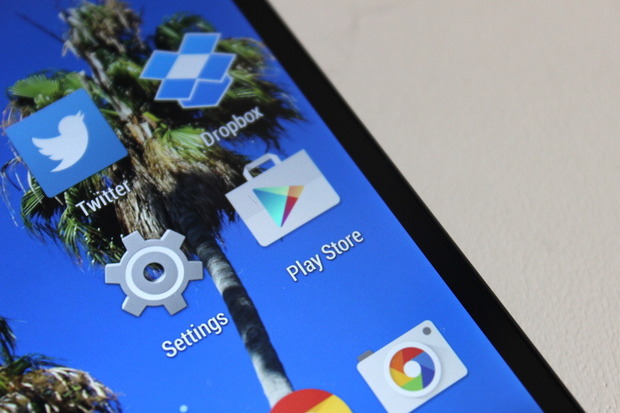
A Few Interface Tweaks for the Google Play Store
Google has never been a company that sits still when it comes to refining the user experience of its products, and the Google Play Store is no exception to that philosophy. Over the years, the Play Store has undergone numerous visual and functional updates that have gradually shaped it into the polished digital marketplace that billions of users interact with daily. The most recent round of interface tweaks may not be the kind of sweeping redesign that generates headlines, but they represent the kind of thoughtful, incremental refinement that ultimately determines how comfortable and intuitive an app feels during everyday use. Small changes, when done well, accumulate into a significantly improved overall experience.
What makes these latest adjustments particularly interesting is that they reflect Google’s ongoing effort to align the Play Store with its broader Material You design language, which emphasizes personalization, dynamic color theming, and softer, more organic visual elements. Users who pay close attention to the apps they use daily will notice that the Play Store feels more cohesive and visually harmonious than it did in previous versions. These are not changes that demand attention but rather changes that quietly improve the experience in ways that users appreciate without always being able to articulate precisely why the app feels better to use than it did before.
A Refreshed Home Screen Layout That Feels More Inviting
The home screen of the Google Play Store has received a layout adjustment that makes the browsing experience feel noticeably more open and less cluttered. App cards now display with slightly more breathing room between them, and the visual hierarchy of featured content has been reorganized to draw the eye more naturally toward curated recommendations and editorial content. This change addresses a longstanding criticism that the Play Store home screen felt dense and overwhelming, particularly for users who were browsing without a specific app in mind and wanted to explore what was available in a more relaxed and enjoyable way.
The featured banner area at the top of the home screen has also been refined, with smoother transitions between featured items and a more consistent presentation of app artwork and promotional imagery. Google has clearly invested effort in ensuring that the visual presentation of featured apps and games meets a higher standard of consistency, which benefits both users and developers. For users, it means a more visually appealing browsing experience. For developers whose apps are featured, it means their promotional materials are presented in a more polished context that reflects well on the overall quality of the platform. These may seem like minor aesthetic adjustments, but they contribute meaningfully to the overall impression of quality that the Play Store projects.
Navigation Bar Adjustments That Simplify Moving Around
The bottom navigation bar of the Google Play Store has been subtly adjusted in ways that make moving between different sections of the app feel more fluid and intuitive. The iconography used for navigation items has been updated to align more closely with Google’s current icon design standards, and the active state indicators have been made more visually distinct, making it immediately clear which section of the store a user is currently browsing. These changes reduce the cognitive load associated with navigation, allowing users to focus on finding and discovering apps rather than figuring out how to get around the interface.
The spacing and sizing of navigation bar elements have also been refined to improve tap accuracy, particularly on devices with larger screens where reaching navigation elements with one hand can be challenging. Google has shown increasing sensitivity to the ergonomic realities of using large-screen devices, and these navigation bar adjustments reflect that awareness. Users who frequently browse the Play Store on tablets or large-screen phones will particularly appreciate the improved touch target sizing, which reduces accidental taps and makes the overall navigation experience feel more precise and responsive. These are exactly the kinds of practical refinements that elevate an interface from merely functional to genuinely comfortable to use.
Search Experience Improvements That Deliver Faster Results
The search functionality within the Google Play Store has received attention in this latest round of tweaks, with improvements to both the visual presentation of search results and the speed with which relevant content surfaces. Search result cards have been redesigned to display more useful information at a glance, including app ratings, download counts, and category labels, without requiring users to tap into individual app listings to gather basic information. This reduces the number of steps required to evaluate whether a search result is relevant, which makes the overall search experience more efficient and less frustrating.
Autocomplete suggestions in the search bar have also been refined to provide more contextually relevant recommendations based on trending searches and personalized browsing history. The visual presentation of these suggestions has been cleaned up, with clearer typography and better use of iconography to distinguish between different types of suggestions such as apps, games, and categories. For users who rely heavily on search to find new apps, these improvements represent a meaningful quality-of-life upgrade. The cumulative effect of faster, more relevant search results and cleaner result presentation is a search experience that feels noticeably more capable and user-friendly than what was available in earlier versions of the Play Store.
App Detail Pages Receive a More Structured Visual Treatment
The individual app detail pages within the Google Play Store have been given a more structured and visually organized layout that makes it easier for users to find the information they need when deciding whether to download an app. The arrangement of key elements including the app icon, rating summary, download count, and install button has been refined to create a cleaner visual hierarchy that guides the eye naturally through the most important information first. Users no longer need to scroll as extensively to find basic details, as the reorganized layout surfaces critical information more prominently and efficiently.
The screenshots and video preview section of app detail pages has also been updated with improved presentation and smoother scrolling behavior. High-quality app screenshots are one of the most important factors influencing a user’s decision to download an app, and presenting them in the best possible visual context makes a meaningful difference for both users and developers. The updated carousel design for screenshots feels more polished and responds more smoothly to touch gestures, creating a browsing experience that feels premium rather than perfunctory. These detail page improvements reflect a recognition that the moment of decision at the app detail page is critically important and deserves the kind of careful design attention that Google has now given it.
Updated Typography Choices That Improve Overall Readability
Typography is one of those design elements that most users never consciously notice, but which has an enormous influence on how comfortable and readable an interface feels during extended use. The Google Play Store’s latest interface tweaks include updates to the typographic treatment used throughout the app, with refined font sizing, improved line spacing, and more consistent use of typographic hierarchy to distinguish between headings, body text, and supporting information. These changes may be subtle, but they contribute significantly to the overall sense of polish and readability that the updated interface projects.
The improvements to typography are particularly noticeable in areas where the Play Store displays longer text content, such as app descriptions, editorial reviews, and developer responses to user feedback. The revised text presentation makes these longer passages more comfortable to read, with better contrast and more generous spacing that reduces eye strain during extended reading sessions. For users who take the time to read app descriptions carefully before downloading, this improvement makes the research process more pleasant and less fatiguing. Good typography is one of the hallmarks of a mature and thoughtfully designed interface, and these updates move the Play Store further in that direction.
Refined Color Usage That Aligns With Material You Standards
Google’s Material You design system introduced the concept of dynamic color theming, where an application’s color palette adapts to complement the user’s chosen wallpaper and system theme. The Google Play Store’s latest interface tweaks include refinements to how dynamic color is applied throughout the app, ensuring that color theming feels more cohesive and intentional rather than arbitrary or jarring. Elements that previously defaulted to static colors now respond more gracefully to the user’s system color palette, creating a more personalized and visually integrated experience across the entire Android ecosystem.
The use of color as a functional design element has also been improved, with more consistent application of accent colors to indicate interactive elements, highlight important information, and distinguish between different content categories. This functional use of color reduces the cognitive effort required to navigate and understand the interface, as visual cues work more reliably and consistently to guide user behavior. Users who have personalized their Android devices with custom wallpapers and color themes will find that the updated Play Store feels more like a natural part of their personalized device experience and less like a separate application with its own disconnected visual identity.
Improved Loading States That Reduce Perceived Wait Times
One of the most practically impactful tweaks in this update concerns the loading states that appear while the Play Store fetches content from Google’s servers. Previous versions of the app sometimes displayed loading indicators that felt abrupt or created a jarring visual experience when content finally appeared on screen. The updated loading states use more refined skeleton screens and progressive content loading techniques that make the wait for content feel shorter and less disruptive. Skeleton screens display placeholder shapes that match the layout of incoming content, giving users a visual preview of the page structure while data loads in the background.
The transition animations between loading states and fully loaded content have also been smoothed out, with more natural fade and scale transitions that feel organic rather than mechanical. These animation improvements contribute to a perception of speed and responsiveness that makes the app feel faster even when actual load times have not changed significantly. This is a well-established principle in user interface design: the perception of performance is just as important as actual performance, and thoughtful loading state design can dramatically improve how responsive an app feels to use. Google’s attention to these details reflects a sophisticated understanding of how interface design influences user perception and satisfaction.
Category and Genre Browsing Gets a Visual Overhaul
Browsing apps and games by category or genre is one of the primary ways that users discover new content in the Play Store, and this area of the interface has received a welcome visual overhaul in the latest update. Category tiles have been redesigned with more distinctive and visually appealing artwork that makes the browsing experience feel more engaging and less utilitarian. The improved category presentation makes it easier to identify and select the type of content a user is looking for, reducing the number of navigational steps required to reach a specific content category.
Within category pages, the organization and presentation of app collections have been refined to surface trending, top-rated, and editorially curated content more prominently. Users who browse by category will notice that the content feels better organized and more relevant, with clearer distinctions between different types of recommendations such as top charts, new releases, and staff picks. These organizational improvements reflect an understanding that category browsing is not just about finding a specific type of app but about discovering new possibilities within a content area that interests the user. The updated category experience supports that kind of exploratory browsing more effectively than the previous design.
Editor’s Choice and Curated Collections Presented More Prominently
Google’s editorial team curates a selection of apps and games that meet particularly high standards of quality, creativity, and innovation, and this curated content has been given more prominent placement and a more polished presentation in the latest Play Store interface update. Editor’s Choice badges and featured collections now appear in more locations throughout the app, ensuring that high-quality curated recommendations reach users during different types of browsing sessions rather than only when they navigate specifically to the editorial section. This increased visibility benefits users who might otherwise miss excellent apps simply because they never ventured into the dedicated editorial area.
The visual presentation of curated collections has also been elevated, with richer artwork, more descriptive collection titles, and better integration of editorial commentary that explains why specific apps have been selected for a particular collection. This editorial voice gives the Play Store more personality and helps users understand the curation criteria, which builds trust in the recommendations being made. Users who discover a high-quality app through an editorially curated collection are more likely to return to those collections in the future, creating a positive cycle of engagement with the Play Store’s discovery features that benefits the entire ecosystem of users, developers, and Google alike.
Ratings and Reviews Section Redesigned for Better Clarity
User ratings and reviews are among the most important factors that influence app download decisions, and the section of app detail pages dedicated to this content has been redesigned for better clarity and usability. The rating summary at the top of the reviews section now presents rating distribution information in a more visually intuitive format, making it immediately clear not just what the average rating is but how that average is distributed across different rating levels. This additional context helps users make more informed judgments about an app’s quality and reliability based on the full picture of user feedback.
Individual review cards have also been redesigned to present reviewer information, rating, and review text in a cleaner and more readable layout. The improved design makes it easier to scan through multiple reviews quickly and identify the most helpful and informative feedback. Developer responses to reviews are now displayed more prominently and with clearer visual differentiation from the original review, making the developer-user dialogue easier to follow. These improvements to the ratings and reviews experience reflect an understanding that this section of the app detail page plays a critical role in the user’s decision-making process and deserves the same level of design attention given to other parts of the interface.
Smoother Animations Throughout the Entire Application
Animation quality is a dimension of interface design that significantly influences how premium and polished an application feels during everyday use. The Google Play Store’s latest update includes improvements to animations throughout the application, with transitions between screens, interactions with app cards, and responses to touch gestures all feeling noticeably smoother and more natural than in previous versions. These animation improvements are the result of careful tuning of timing curves, duration values, and motion choreography that together produce a fluid and satisfying interaction experience.
The improved animations are particularly noticeable during actions that users perform frequently, such as opening an app detail page from a search result or home screen card, navigating between the main sections of the store, and dismissing or expanding content elements. Each of these common interactions now feels more polished and responsive, contributing to an overall sense that the Play Store is a well-crafted application that respects the user’s time and attention. Good animation design is invisible in the best possible sense: it simply makes everything feel right without drawing attention to itself. The Play Store’s updated animations achieve that standard more consistently than the versions that preceded them.
Accessibility Improvements That Make the Store More Inclusive
Accessibility is an area where the Google Play Store has made meaningful progress in this latest update, with improvements that make the interface more usable for people with visual, motor, and cognitive differences. Touch target sizes for interactive elements have been increased throughout the app, making it easier for users with motor impairments or larger fingers to interact accurately with buttons, links, and navigation elements. These improvements benefit all users to some degree but are particularly significant for those who rely on larger touch targets to use the app comfortably and independently.
Text contrast ratios have been reviewed and improved in several areas of the interface where previous versions fell short of recommended accessibility standards. Better contrast makes text easier to read for users with low vision or color vision deficiencies and improves readability for all users in challenging viewing conditions such as bright sunlight or dimly lit environments. Screen reader compatibility has also been reviewed and improved, with better labeling of interface elements that are navigated using accessibility services. These accessibility improvements reflect a genuine commitment to making the Play Store a store that works well for everyone, regardless of their individual abilities or circumstances.
What These Tweaks Signal About Google’s Design Direction
Taken together, the interface tweaks introduced in this latest Play Store update paint a coherent picture of Google’s current design philosophy and the direction in which it is evolving the Play Store experience. The emphasis on cleaner layouts, better typography, smoother animations, and more cohesive color application all point toward a design language that prioritizes comfort, clarity, and personalization over novelty or visual complexity. Google appears to be moving steadily toward an interface that feels more like a natural extension of the Android experience and less like a standalone application with its own disconnected design system.
These changes also signal a recognition that the Play Store’s primary job is to help users find and evaluate apps as efficiently and enjoyably as possible. Every tweak in this update serves that goal in some way, whether by reducing the number of steps required to find information, improving the visual clarity of important content, or making the browsing experience more engaging and personalized. This user-centered design philosophy, consistently applied across hundreds of small decisions, is what produces interfaces that feel genuinely excellent rather than merely adequate. The Play Store’s evolution through these latest tweaks is a strong indication that Google remains committed to continuous improvement and takes its responsibility as the primary gateway to the Android app ecosystem seriously.
Conclusion
The latest interface tweaks to the Google Play Store may not represent a dramatic visual overhaul, but they collectively represent something arguably more valuable: a sustained and thoughtful commitment to improving the user experience through careful, purposeful refinement. Each individual change, from the refreshed home screen layout and improved navigation bar to the smoother animations and better accessibility features, reflects a design process that begins with an understanding of how real people use the application and what would make that experience more comfortable, efficient, and enjoyable. That kind of user-centered thinking, applied consistently over time, is what transforms a functional application into one that people genuinely enjoy using.
For the billions of Android users who interact with the Play Store regularly, these improvements translate into a daily experience that feels slightly more polished, slightly more responsive, and slightly more aligned with their individual preferences and needs. The cumulative effect of those incremental improvements over many update cycles is an application that has grown significantly in quality and sophistication while maintaining the familiarity that users depend on. Dramatic redesigns can be disorienting and require users to relearn navigation patterns they have internalized over years of use. Incremental improvements, by contrast, upgrade the experience without disrupting it, which is a more respectful and ultimately more effective approach to interface evolution.
Looking ahead, the trajectory established by these latest tweaks suggests that future Play Store updates will continue building on the Material You foundation with ever more refined personalization, improved discovery mechanisms, and enhanced accessibility features. As Android devices become more diverse in form factor and capability, the Play Store will need to adapt to serve users across an increasingly wide range of screen sizes, input methods, and usage contexts. The design principles demonstrated in this latest update, with their emphasis on clarity, flexibility, and user-centered refinement, provide a strong foundation for meeting those future challenges. The Google Play Store is not just a marketplace but an experience, and Google’s ongoing investment in improving that experience reflects an understanding that how users feel while browsing and discovering apps is just as important as the apps themselves.
- Category: All Certifications Google
- Tags: google, google play store, play store
